When it comes to investing in security surveillance trailers, understanding the difference between Long-Term vs. Short-Term Expenses is crucial for making informed financial decisions. Whether you are a business owner looking to protect your assets or a property manager responsible for site security, knowing how these expenses impact your budget can shape your overall strategy. Long-term expenses typically include costs that will be incurred over an extended period, such as maintenance, upgrades, and potential replacement of equipment. On the other hand, short-term expenses may encompass immediate costs like rental fees, installation, and initial setup.
Understanding these distinctions not only helps you allocate funds effectively but also prepares you for future financial planning. This article will delve into the various aspects of Long-Term vs. Short-Term Expenses, providing insights on how to evaluate each type of cost when selecting the right surveillance trailer. By grasping these concepts, you'll be better equipped to make decisions that align with your security needs and budget constraints. Join us as we explore these critical considerations that can significantly influence your investment in surveillance technology!When considering Long-Term vs. Short-Term Expenses in the realm of security surveillance trailers, it is essential to first understand the different types of trailers available on the market and their respective features.
Surveillance trailers are designed for various applications, including construction site security, event monitoring, and remote surveillance needs. They come equipped with a range of specifications that can significantly affect both your long-term and short-term costs. One of the primary considerations when evaluating surveillance trailers is the camera quality. High-definition cameras offer clearer images and better night vision capabilities, which can be crucial for effective monitoring. However, these advanced features often come at a higher initial purchase price or rental fee.
For example, a trailer equipped with 4K cameras may cost considerably more than one with standard HD cameras, impacting your budget depending on whether you choose to rent or buy. Another important feature is storage capacity. Surveillance trailers with higher storage capacities can retain footage for extended periods, which is essential for thorough investigations. This feature influences both short-term rental fees and long-term maintenance costs. If a trailer has limited storage, you may incur additional costs for data management or frequent data transfers, making it less cost-effective in the long run.
Mobility
is also a critical factor to consider.Some surveillance trailers are designed for easy transportation, featuring lightweight materials and compact designs, while others may be more robust and require specialized vehicles for towing. The mobility of a trailer can affect rental logistics and associated costs. For instance, renting a heavy-duty trailer may result in higher transportation expenses compared to a lighter model that can be easily moved between sites. When discussing common rental optionscommon rental options versus outright purchase costs, it becomes evident how each choice impacts budgeting. Renting a surveillance trailer often appears to be the more economical option for short-term needs, such as monitoring a construction site for a few weeks or an event lasting several days.
Rental prices typically include maintenance and support, allowing users to avoid upfront costs associated with purchasing equipment. In contrast, purchasing a surveillance trailer represents a significant long-term investment. While the initial expenditure may be high—often ranging from several thousand to tens of thousands of dollars—owners benefit from having complete control over the equipment without ongoing rental fees. This can be particularly advantageous for businesses or organizations that frequently require surveillance capabilities over extended periods. Comparing different models reveals how pricing varies based on features and specifications. For instance, a basic model with standard features may cost around $5,000 to purchase outright, while a fully equipped surveillance trailer with advanced technology could cost upwards of $20,000.
In this context, understanding Long-Term vs. Short-Term Expenses helps potential buyers assess whether investing in superior technology will yield enough benefits over time to justify the higher price tag. Real-world applications further illustrate the practical implications of these expense decisions. For example, a construction site may require constant monitoring over several months; hence investing in a high-quality surveillance trailer might be justified if it enhances security and reduces theft-related losses. On the other hand, a temporary event like a music festival could benefit from renting a surveillance trailer just for the duration of the event, as purchasing one would not be cost-effective given the temporary nature of the need. It is also essential to address potential disagreements regarding buying versus renting surveillance trailers.
Advocates of purchasing argue that owning equipment provides financial stability and control over assets, especially for companies that rely on security monitoring as part of their operations. They emphasize that with proper maintenance and use, equipment retains value and can even be resold later. Conversely, proponents of renting may highlight the flexibility it offers. Renting allows organizations to access state-of-the-art technology without being tied down by ownership responsibilities. It enables users to adjust their equipment based on changing needs without incurring additional costs related to storage or maintenance. In conclusion, understanding Long-Term vs.
Short-Term Expenses in relation to security surveillance trailers is vital for making informed financial decisions. By considering various factors such as camera quality, storage capacity, mobility, and real-world applications, users can better assess their budgeting needs when investing in or renting these crucial tools for security management.
Rental Options vs. Purchase
When considering long-term and short-term expenses in the realm of security surveillance trailers, one crucial factor to evaluate is the choice between renting and purchasing. Each option carries distinct financial implications that can significantly impact your budget. If you opt for renting a surveillance trailer, the initial outlay is generally lower, making it a more accessible choice for short-term projects or temporary needs.Rental agreements often allow for flexibility in terms of duration and can provide a cost-effective solution for users who may not require a trailer for an extended period. However, it’s essential to account for ongoing rental fees, which can accumulate over time and lead to higher overall costs if the need extends beyond the initial estimate. On the other hand, purchasing a surveillance trailer represents a long-term expense that can be justified if your needs are consistent and enduring. While the upfront investment is substantial, owning a trailer eliminates recurring rental costs and allows for complete control over the equipment. Additionally, purchased trailers may retain some resale value, providing potential financial recovery in the future. In summary, the decision to rent or purchase a surveillance trailer should be guided by an assessment of your specific needs, budget constraints, and how long you anticipate utilizing the equipment.
Understanding these dynamics is vital for making informed financial decisions that align with your operational goals.
Comparative Analysis of Models
When considering long-term versus short-term expenses for security surveillance trailers, it's essential to conduct a comparative analysis of different models available in the market. This analysis helps potential buyers or renters understand how various features influence pricing and overall value. For instance, basic surveillance trailers equipped with standard features such as basic camera systems and minimal storage may be available at a lower initial cost. However, these models might incur higher operational costs over time due to limited functionality and the need for additional equipment or upgrades. On the other hand, advanced surveillance trailers that include high-definition cameras, integrated alarm systems, and enhanced mobility options often come with a higher upfront price. Yet, they may offer significant savings in the long run through reduced maintenance costs and improved efficiency in monitoring various sites. It's also worth noting that certain features can significantly impact short-term expenses.For example, a trailer equipped with solar power may have a higher initial cost but can reduce electricity bills and improve sustainability. Conversely, traditional trailers may require ongoing fuel costs for generators, affecting overall budgeting. Understanding these pricing differences based on features allows users to make more informed financial decisions when selecting a surveillance trailer that best meets their needs, whether for short-term projects or long-term investments.
User Reviews and Feedback
When considering long-term vs. short-term expenses in the context of security surveillance trailers, user reviews and feedback can provide invaluable insights. Many users who have invested in or rented these trailers for various applications, such as construction sites or large events, often share their experiences regarding both the initial costs and ongoing expenses associated with their use. For instance, users frequently highlight the long-term expenses involved in maintenance, insurance, and potential upgrades.Feedback often indicates that while the initial rental or purchase price of a surveillance trailer may seem reasonable, users must also factor in these additional costs that accumulate over time. This knowledge can significantly impact budgeting decisions. On the other hand, short-term expenses, such as rental fees and operational costs during the duration of use, are also discussed in user reviews. Many users express satisfaction with the flexibility offered by renting trailers for short-term projects, emphasizing that this option can be more cost-effective than purchasing outright for temporary needs. Moreover, user insights reveal that understanding these distinctions between long-term and short-term expenses helps them make informed financial decisions. By evaluating feedback from fellow users, prospective buyers and renters can better anticipate their overall financial commitment when choosing a surveillance trailer.
Applications of Surveillance Trailers
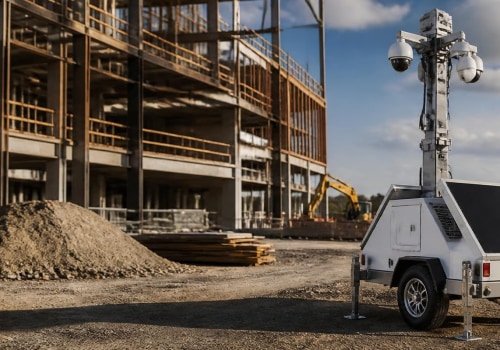
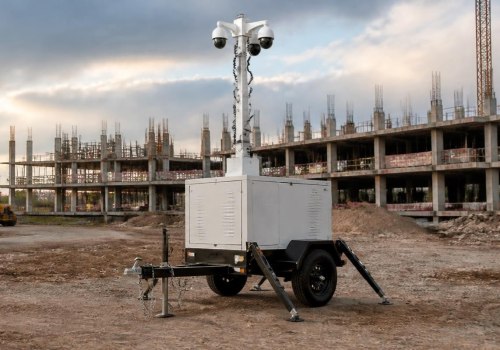
Surveillance trailers serve a multitude of purposes across different industries, each with its own set of long-term and short-term expenses.Understanding these applications can greatly assist potential users in budgeting effectively. One common application is in construction sites. These areas often require temporary security measures to protect valuable equipment and materials. The short-term expenses for renting a surveillance trailer might include rental fees and maintenance, while long-term expenses could involve purchasing the trailer outright for ongoing projects. Another significant application is for events, such as concerts or festivals. In this scenario, the need for real-time monitoring can lead to increased short-term expenses, including setup costs and temporary staffing for monitoring.
However, if a company frequently hosts events, investing in a surveillance trailer could translate into lower long-term expenses.
Retail security
is yet another vital application. Retailers may deploy surveillance trailers to deter theft during high-traffic seasons. The initial investment might seem steep, but the potential savings from reduced theft can justify the long-term expenses.Each application highlights the importance of understanding both types of expenses. By analyzing the specific needs of their operations, users can make informed financial decisions that align with their security requirements.Features and Specifications
When considering long-term and short-term expenses for security surveillance trailers, it is crucial to understand how various features and specifications impact these costs.The choice of features can significantly influence both the initial investment and ongoing operational expenses. First and foremost, the type of surveillance equipment installed in the trailer can dictate both long-term and short-term expenses. High-definition cameras, advanced motion detection systems, and night vision capabilities may come with a higher upfront cost but can reduce maintenance needs and improve reliability over time. Conversely, opting for basic equipment may lower initial costs, but could lead to increased expenses due to higher maintenance and potential replacements. Another important factor is the power supply system. Trailers equipped with renewable energy sources, such as solar panels, may have a higher upfront expense but can lead to substantial savings in long-term operational costs.
This is especially relevant for users who plan to deploy trailers in remote locations where fuel costs for generators can accumulate quickly. The durability of the trailer itself is another consideration. Investing in trailers built with high-quality materials may result in a higher initial purchase price but can minimize repair costs and extend the lifespan of the equipment, thus benefiting long-term budgets. Additionally, features such as mobile connectivity, real-time monitoring capabilities, and advanced analytics can enhance operational efficiency. While these features might increase short-term expenses, they can yield significant savings by improving incident response times and reducing false alarms. Finally, consider the trailer's scalability. A system that allows for easy upgrades or expansions can mitigate future costs associated with technological advancements or increased surveillance needs.
Understanding these specifications will empower users to make informed financial decisions based on their unique requirements.
Types of Security Surveillance Trailers
When considering security surveillance trailers, it’s essential to understand the various models available, as each type serves specific purposes based on the needs of the user. The following outlines the primary types of trailers and their respective use cases.1.Mobile Surveillance Trailers:
These trailers are designed for easy transport and setup at different locations. Ideal for temporary installations at construction sites, events, or festivals, mobile surveillance trailers often come equipped with high-definition cameras, motion detectors, and sometimes even solar power options to ensure continuous operation.2.Fixed Surveillance Trailers:
Unlike mobile units, fixed surveillance trailers are intended for longer-term placements. They are commonly utilized in industrial settings or locations that require ongoing security monitoring.These units typically feature enhanced technology, including advanced analytics and remote monitoring capabilities.
3.Trailer Surveillance Systems with PTZ Cameras:
PTZ stands for Pan-Tilt-Zoom, and these systems allow for more flexible monitoring. Users can control the camera remotely to focus on specific areas of interest. This type is particularly useful for large venues such as concerts or sporting events where crowd movement is dynamic.4.Thermal Imaging Surveillance Trailers:
Equipped with thermal cameras, these trailers are essential for operations requiring visibility in low-light conditions or during nighttime. They are beneficial for security patrols in remote areas or during nighttime events where traditional cameras might fall short.5.Eco-Friendly Surveillance Trailers:
With an increasing focus on sustainability, some surveillance trailers are designed to be eco-friendly, utilizing solar panels and energy-efficient technologies.These models cater to users who prioritize environmental considerations in their operations.
Conclusion:
Understanding the different types of security surveillance trailers available is critical for making informed decisions regarding long-term and short-term expenses. By choosing the right model based on specific use cases, users can optimize their investment and ensure effective security management. In conclusion, understanding long-term vs. short-term expenses is crucial for anyone considering investing in or renting security surveillance trailers. Throughout this article, we have explored various aspects such as the types of trailers available, their features and specifications, and the pros and cons of rental options versus purchase. By distinguishing between long-term expenses, like maintenance and depreciation, and short-term expenses, such as rental fees and immediate operational costs, users can make more informed financial decisions.This understanding aids in budgeting effectively, particularly for applications like construction sites or events. As you evaluate your options, we encourage you to reflect on your specific needs and budget constraints. Whether you opt for rental or purchase, aligning your choice with both your operational requirements and financial capacity will ultimately lead to better outcomes in your surveillance efforts.