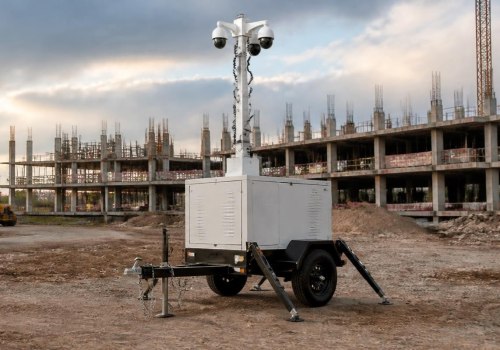
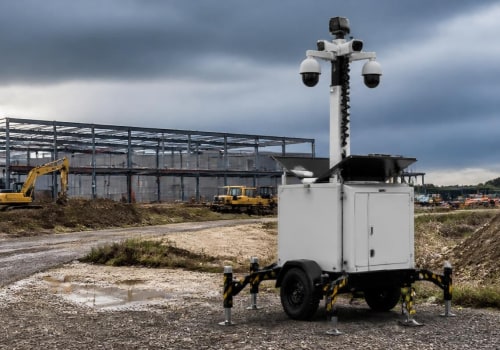
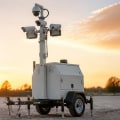
In an age where security concerns are at an all-time high, the demand for effective surveillance solutions has surged. Among the myriad options available, security surveillance trailerssecurity surveillance trailers stand out as a versatile and efficient choice for monitoring various environments. Unlike traditional fixed installations, these mobile units offer unique advantages that cater to a wide range of applications—from construction sites to special events. In this article, we will delve into the multifaceted world of security surveillance trailers, exploring their features, benefits, and how they compare to mobile units.
By understanding the distinct attributes of these trailers, you can make an informed decision about your security needs. So, whether you are a business owner seeking enhanced protection or an event planner looking to ensure safety at your next gathering, read on to discover how security surveillance trailers can provide the peace of mind you seek. In recent years, the demand for security in various settings has surged, particularly in areas such as construction sites, large events, and public gatherings. With this heightened need for protection, security surveillance trailers have emerged as a versatile solution capable of monitoring these environments effectively. These trailers provide a flexible approach to security, making them an attractive option for both short-term and long-term applications. There are different types of security surveillance trailers available on the market today, primarily categorized into two main types: fixed units and mobile units.
Fixed units are typically stationed at a specific location for extended periods. They are often equipped with high-quality cameras that can capture clear images day or night, advanced motion detection systems, and robust power sources such as solar panels or generators. On the other hand, mobile units are designed for portability and can be relocated easily to various sites as needed. These mobile options often come with similar features but may include additional functionalities that support quick deployment and setup. The effectiveness of both fixed surveillance trailers and mobile units hinges on several key features.
Camera quality is paramount; high-definition cameras with night vision capabilities ensure clear monitoring in all conditions. Additionally, power sources play a crucial role in the operation of these trailers. Fixed units may rely on direct electrical connections or renewable energy sources, while mobile units often incorporate battery systems that allow for quick setup without the need for external power. Connectivity options, such as Wi-Fi or cellular capabilities, enable real-time monitoring and alerts, enhancing the overall security framework. When comparing these trailers to mobile units, several factors come into play, including flexibility, setup time, and usage scenarios.
Fixed trailers provide a stable surveillance point ideal for sites like construction projects that require long-term monitoring; they can remain in place for months at a time, continuously providing security oversight. In contrast, mobile units shine in scenarios where temporary solutions are necessary, such as festivals or sporting events. Their ability to be transported quickly from one site to another allows for immediate deployment as needs arise. However, there are potential concerns regarding the limitations of each type of trailer. Some critics argue that fixed units may become vulnerable over time if not monitored actively or maintained properly.
Conversely, while mobile units offer flexibility, they may not provide the same level of comprehensive coverage as fixed installations due to their transient nature and potential blind spots during transportation. It’s essential to assess the specific security needs of each situation when deciding which type of unit is most appropriate. Cost implications also play a significant role in the decision-making process when considering security surveillance trailers. Pricing structures can vary widely between rental and purchase options for both fixed and mobile units. Rental prices generally depend on the duration of use and specific features included in the package.
For example, long-term rentals may offer discounts compared to short-term agreements. On the other hand, purchasing a trailer outright involves a higher upfront investment but can lead to cost savings over time for organizations that require continuous surveillance capability. Ultimately, understanding the differences between security surveillance trailers, especially when comparing fixed and mobile units, is crucial for making informed decisions that cater to unique security requirements. By evaluating their features, applications, and cost structures, stakeholders can better determine which solution aligns with their needs, ensuring effective monitoring and protection in any environment.
Types of Security Surveillance Trailers
Security surveillance trailers come in various models, each designed to meet specific needs and applications. Understanding the differences between fixed and mobile units is crucial for selecting the right solution for your security requirements.Fixed Surveillance Trailers
are designed to be stationed at a particular location for extended periods.These units are often equipped with high-definition cameras, motion detection systems, and robust power supplies, making them ideal for long-term projects such as construction sites or outdoor events. Their stationary nature allows for comprehensive monitoring of a defined area, ensuring that all angles are covered and providing a reliable deterrent against unauthorized access. On the other hand, Mobile Surveillance Trailers offer greater flexibility and adaptability. These units can be transported easily from one location to another, making them suitable for temporary events, festivals, or emergency situations. Mobile trailers are often equipped with similar technology as fixed units but may include additional features such as rapid deployment capabilities and compact designs for easy transport.
Their versatility makes them an excellent choice for organizations needing short-term security solutions. When considering security surveillance trailers, it’s essential to evaluate the specific applications and environments where they will be used. Factors such as the duration of monitoring, the size of the area to be covered, and mobility requirements should influence your decision on whether a fixed or mobile unit is more appropriate.
Applications in Different Industries
Surveillance trailers have emerged as a vital tool for ensuring security across various industries.Construction sites
are one of the primary beneficiaries of these units. With valuable equipment and materials often left unattended, the risk of theft and vandalism is high.Surveillance trailers provide a mobile and flexible solution, allowing project managers to monitor activities in real-time, deterring potential criminals and ensuring the safety of workers. In the realm of event management, security is paramount. Large gatherings such as concerts, festivals, and public events require robust surveillance systems to manage crowds and ensure safety. Surveillance trailers can be deployed quickly to monitor entry points, manage crowd control, and respond to incidents effectively. Their mobility allows for easy relocation as event layouts change, providing comprehensive coverage. Beyond these two examples, other industries such as retail, transportation, and public safety also utilize surveillance trailers.
In retail, they can be stationed in parking lots or at temporary locations to deter shoplifting and monitor customer interactions. Transportation hubs benefit from surveillance trailers by enhancing security during busy hours or at sensitive locations. Overall, the adaptability of surveillance trailers makes them an essential component in various sectors, offering tailored solutions that meet specific security needs.
Pricing Information
When considering security solutions, surveillance trailers and mobile units present varying price points that reflect their features, capabilities, and applications. On average, the cost of a security surveillance trailer can range from $10,000 to $50,000, depending on the specifications such as camera quality, power sources, and additional features like alarm systems or lighting. In contrast, mobile units typically start around $5,000 and can go up to $30,000 for more advanced options.These units are often less expensive due to their smaller size and fewer integrated technologies. Market trends indicate a growing demand for both types of security solutions, leading to a competitive pricing landscape. Prices may fluctuate based on the manufacturer, the level of customization required, and geographical factors influencing supply chains. Additionally, rental options for both surveillance trailers and mobile units are available, providing a cost-effective solution for short-term needs. Rental prices can vary significantly but generally range from $300 to $1,200 per month depending on the equipment's sophistication and rental duration. Investing in a security surveillance trailer often proves beneficial for long-term projects such as construction sites or large events where continuous monitoring is essential.
Conversely, mobile units might be more suitable for temporary or smaller-scale applications due to their portability and lower initial investment. Understanding these pricing dynamics is crucial for organizations looking to enhance their security measures effectively.
Rental vs. Purchase Options
When considering security surveillance trailers, one of the most important decisions is whether to rent or purchase these units. Each option comes with its own set of advantages and disadvantages that can impact your overall budget and operational efficiency.Renting
a surveillance trailer typically offers greater flexibility.This option is ideal for short-term projects or events where the need for security is temporary. Renting allows you to avoid large upfront costs and maintenance responsibilities associated with ownership. Additionally, rental companies often provide the latest technology, ensuring you have access to state-of-the-art features without the commitment of a purchase. However, renting can become costly if used for extended periods. Over time, rental fees can accumulate, potentially exceeding the cost of purchasing a unit outright.
Furthermore, renters may face restrictions on usage or customization, limiting the ability to tailor the trailer to specific security needs. On the other hand, purchasing a surveillance trailer involves a significant initial investment but can be more economical in the long run for long-term projects. Ownership means you have complete control over the unit and can modify it as needed to fit specific applications. Moreover, purchased trailers can enhance your asset portfolio and potentially provide resale value in the future. Nonetheless, owning a surveillance trailer also comes with challenges. Maintenance and repair costs fall on the owner, and technological advancements may require upgrades sooner than anticipated.
Additionally, the upfront capital expenditure can be a barrier for some organizations, especially those operating on tight budgets. In summary, the choice between renting and purchasing surveillance trailers hinges on factors such as project duration, budget constraints, and specific security needs. Evaluating these aspects will help determine the most suitable option for your particular situation.
Key Features and Specifications
When evaluating security surveillance trailers, several key features and specifications set them apart from their mobile counterparts. These units are designed for stationary use, providing a stable platform for comprehensive surveillance. One of the primary features is their high-definition camera systems, which can include PTZ (pan-tilt-zoom) capabilities, allowing for extensive coverage and detailed monitoring.In contrast, mobile units typically offer limited camera functionality due to their compact design. Another significant aspect is the power supply. Surveillance trailers often come equipped with robust power options, including solar panels or generators, ensuring continuous operation without dependence on external electrical sources. Mobile units, while portable, may require frequent recharging or connection to power sources, limiting their operational time. The storage capacity for video footage is also a crucial consideration. Surveillance trailers typically feature larger hard drives or cloud storage options, enabling extensive data retention for later review.
On the other hand, mobile units may have restricted storage capabilities, necessitating more frequent data management. Additionally, environmental protection is a vital specification for surveillance trailers. They are often built to withstand harsh weather conditions and can be equipped with protective casings to ensure all equipment remains functional in various environments. Mobile units may not have the same level of durability and could be more susceptible to damage. Finally, the ease of deployment should be noted. Surveillance trailers can be set up in strategic locations quickly and efficiently, offering a permanent solution to security needs.
In contrast, while mobile units provide flexibility in location, they require more time and effort to establish effective coverage. In summary, while both security surveillance trailers and mobile units serve the essential purpose of monitoring and protection, the specific features and specifications of trailers make them particularly suited for long-term security solutions in various applications.
User Reviews and Comparisons
In the realm of security solutions, user feedback plays a crucial role in understanding the effectiveness of security surveillance trailers compared to mobile units. Many users who have experience with both options offer valuable insights into their functionality, convenience, and overall performance. One common sentiment among users is the enhanced stability and reliability of security surveillance trailers. Unlike mobile units, which can be affected by movement and environmental factors, trailers provide a fixed point of monitoring that ensures consistent surveillance coverage. Users have noted that this feature is particularly beneficial at construction sites, where ongoing activity requires constant oversight. Moreover, many users appreciate the ease of setup associated with security surveillance trailers.Reviews often highlight how these units can be deployed quickly and require minimal adjustments once in place. In contrast, some users have reported challenges with mobile units, including difficulties in positioning them for optimal visibility and concerns about battery life during extended use. Another aspect frequently mentioned in user reviews is the range of features available in security surveillance trailers. Many models come equipped with advanced technology such as high-definition cameras, night vision capabilities, and remote monitoring options. Users have expressed satisfaction with the ability to access live feeds from their smartphones or computers, enhancing peace of mind whether they are on-site or off. While some users prefer the portability of mobile units for short-term events or temporary setups, others argue that the comprehensive capabilities of security surveillance trailers far outweigh any advantages offered by mobility.
Ultimately, user comparisons suggest that for long-term security needs, especially in fixed locations, security surveillance trailers tend to be the more effective choice. In conclusion, security surveillance trailers offer a robust and versatile solution for monitoring various settings, particularly when compared to mobile units. Their fixed nature provides enhanced stability and a comprehensive range of features tailored for long-term use in environments such as construction sites and large events. The ability to customize these trailers with advanced technology ensures that they meet specific security needs effectively. When evaluating options, it’s essential for readers to consider their individual requirements, including the scale of surveillance needed, the duration of use, and budget constraints. By understanding the key differences in features and applications, users can make informed decisions that best suit their security objectives. Ultimately, whether opting for a security surveillance trailer or a mobile unit, prioritizing informed decision-making based on thorough comparisons will lead to effective surveillance solutions that enhance safety and security.